
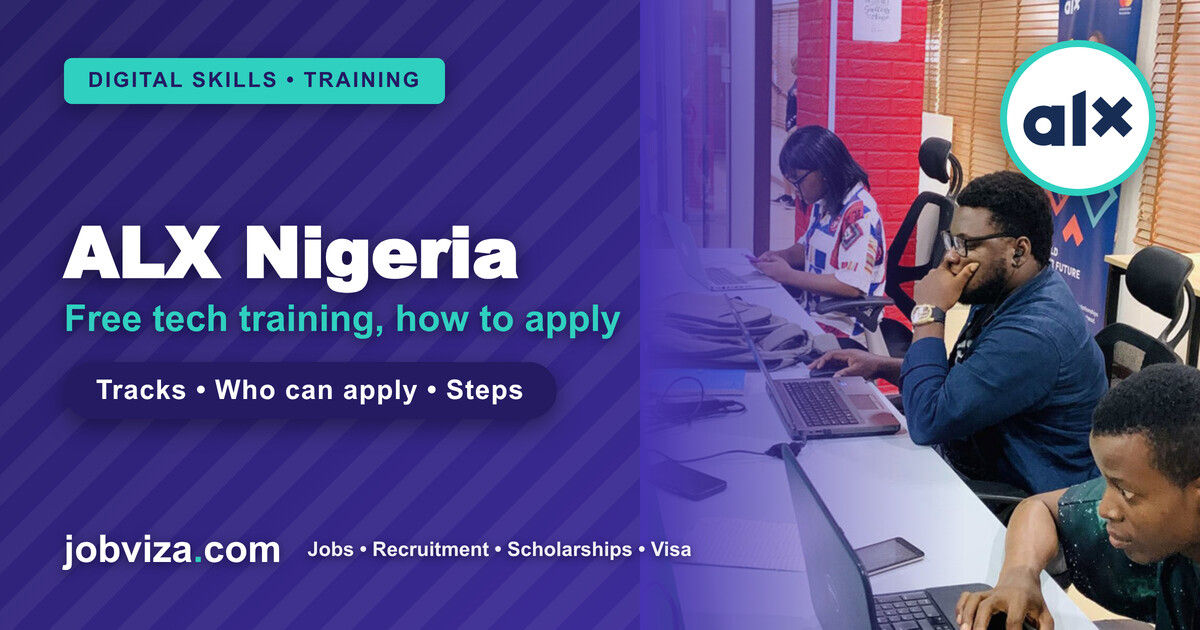
Heard friends talking about ALX and wondered what the fuss is about? The ALX Nigeria program trains young people in tech skills that employers actually want, and many of its tracks cost nothing to join. For a country full of hungry, smart youth, that is a big deal.
Let me break down what the program offers and how you can get in.
What is ALX?
ALX is a pan-African training provider that teaches in-demand digital skills. It runs online, with local community hubs where learners meet, study, and network. The idea is simple. Build world-class skills from Nigeria and connect you to jobs, both local and remote.
Tracks you can learn
The ALX Nigeria program covers several fields. The exact list changes with each cohort, but you will often find:
- Software engineering, the flagship track.
- Data analytics.
- Artificial intelligence and starter AI courses.
- Professional foundations that sharpen your soft skills.
- Cloud computing and virtual assistant tracks.
Who can apply?
You do not need a computer science degree. What matters is drive. Most tracks ask that you be at least eighteen, own a laptop, have steady internet, and can commit real hours each week. The software engineering track in particular is intense, so be honest with yourself about your schedule.
How to apply to the ALX Nigeria program
1. Visit the official site
Go to the ALX website and browse the open programs. Each track has its own start date, so note which cohort is taking applications.
2. Create an account and pick a track
Sign up, choose the program that matches your goal, and fill in your details. Be clear about why you want the skill, because your motivation carries weight.
3. Complete the assessment
Many tracks include a short aptitude test or onboarding challenge. It checks your problem-solving, not your prior knowledge, so stay calm and think things through.
4. Start learning
Once accepted, you join your cohort and begin. Show up for the peer sessions, finish your projects, and use the community. Those who treat it seriously finish strong.
Is it really free?
Several ALX tracks are free or sponsored, which is why so many Nigerians rush to apply. Funding and terms can change between cohorts, so always confirm the current cost on the official page before you commit.
What to prepare before you start
A little planning saves you later. Make sure your laptop can run smoothly, find a quiet corner where you can focus, and sort out a reliable data plan. Talk to your family about the hours you will need, especially for the heavier tracks. When life is arranged around your study, you are far less likely to drop out halfway.
Tips to succeed
Treat the program like a job. Block out study time and guard it. Build projects you can show employers later. Network with your peers, because many job leads come from people you studied beside. And do not vanish when the work gets hard, since that is exactly when the learning sticks.
Ready to begin? Apply through the official ALX website. If you are weighing your options, compare it with the 3MTT program, and see our roundup of free courses with certificates for Nigerians.
Frequently asked questions
Do I need a degree to join?
No. The ALX Nigeria program focuses on skills and commitment, not your academic background.
How long does a track take?
It varies. Short courses run for weeks, while the software engineering track can run close to a year.
Will ALX find me a job?
ALX connects learners to opportunities and networks, but you still have to apply and prove your skills like everyone else.
Reviewed by Miles Obi, Careers and Scholarships Editor at Jobviza.
Related guides
- 3MTT Program 2026: Learn Real Tech Skills for Free (Here’s How to Join)
- 3MTT Program 2026: Your Complete Guide to Free Tech Training and a New Career in Nigeria
- Free Online Courses with Certificates for Nigerians: What Is Actually Free
- Free AI Skills Courses: Official Learning Options for Nigerians
Discover more from Jobviza
Subscribe to get the latest posts sent to your email.